
Bone Grafting & Regeneration in Pleasanton, CA
When the bone supporting your teeth or a dental implant has been lost or damaged, bone grafting can help restore the foundation needed for lasting oral health. At Pleasanton Periodontics and Implants, Dr. Bao Jabbar provides bone grafting and regenerative care as part of a comprehensive, personalized treatment plan.
Periodontal Bone Care in Pleasanton, CA
Why Bone Support Matters for Your Teeth and Implants
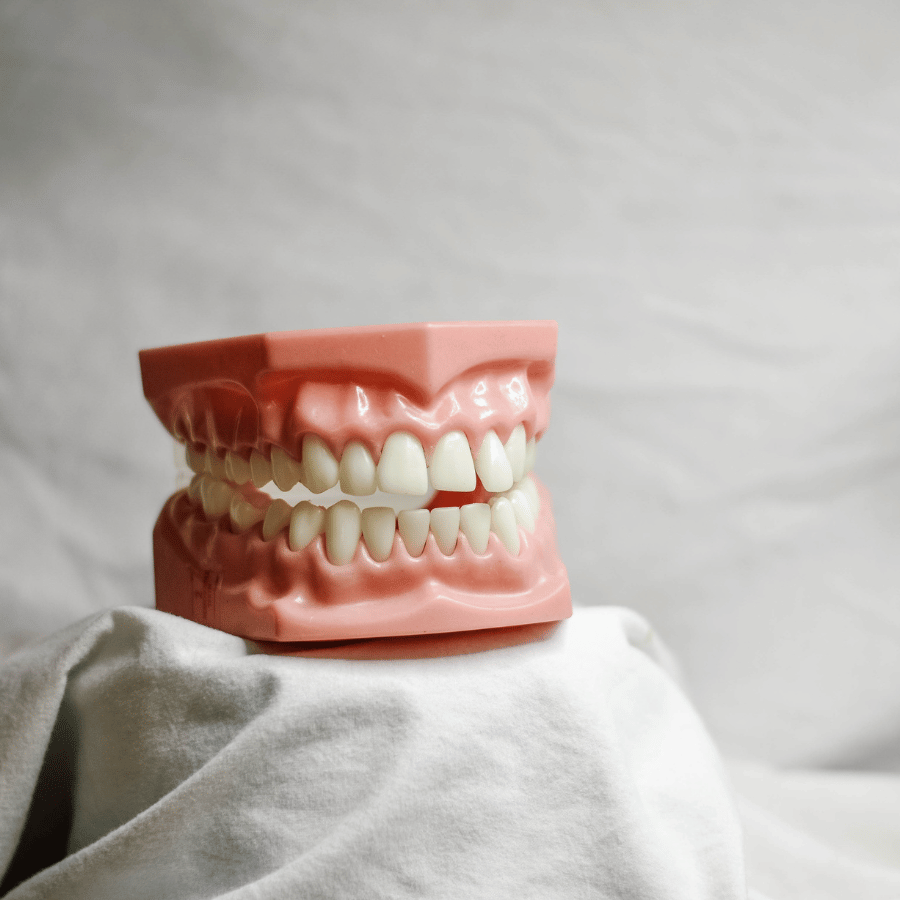
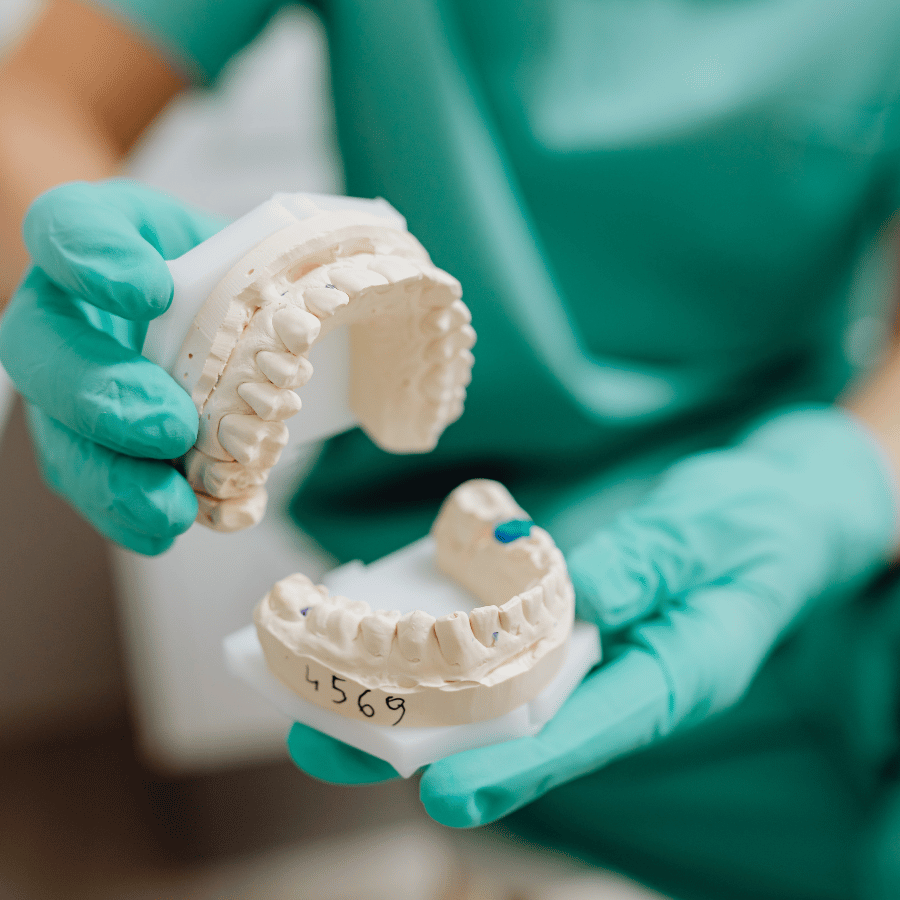
Your teeth rely on a healthy foundation of jawbone to stay secure. When gum disease, tooth loss, or injury causes bone to break down, that foundation weakens over time. Bone grafting is a procedure that places grafting material into areas where bone has been lost, encouraging your body to rebuild and stabilize the site. This kind of regenerative care is often a necessary step before placing a dental implant, and it can also help preserve teeth that might otherwise be at risk. Dr. Jabbar, a board-certified periodontist and implant specialist, evaluates each patient individually to determine whether grafting is appropriate and what approach best fits their situation.
Regenerative Techniques
Guided Bone and Tissue Regeneration
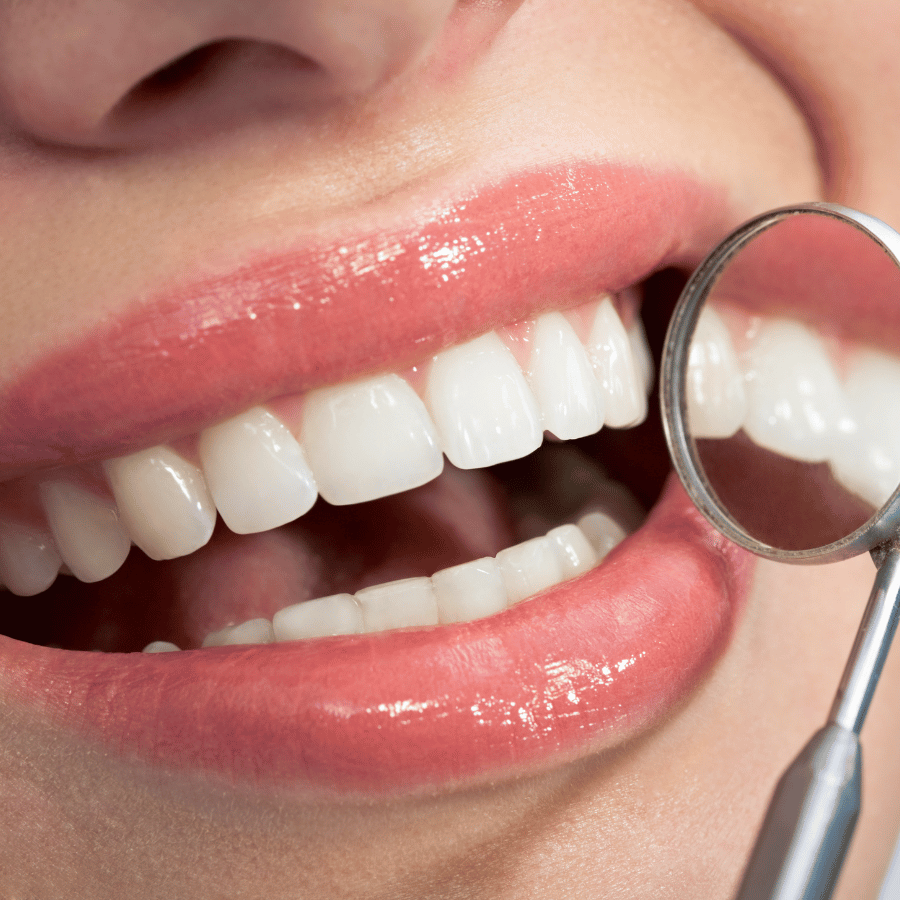
Bone grafting at our Pleasanton practice goes beyond simply filling a space. Regenerative techniques such as guided bone regeneration and guided tissue regeneration use specialized membranes to direct how new bone and tissue grow back. These membranes act as a barrier, helping the right type of tissue develop in the right location while the grafted area heals. This level of precision is particularly important when preparing a site for a dental implant or when trying to preserve the bone structure around an existing tooth. The goal is to give your body the best possible conditions to rebuild on its own, with careful specialist support throughout the process.
Bone Grafting and Implant Planning
Connecting Bone Health to Long-Term Implant Success
For patients considering dental implants, adequate bone volume at the implant site is essential. If bone loss has occurred, grafting may be recommended before or at the time of implant placement to help provide support for the planned implant. Because Dr. Jabbar is both a board-certified periodontist and an implant specialist, bone grafting and implant planning are coordinated within the same practice. This means your treatment plan accounts for the condition of your bone, your gum tissue, and your implant needs together, rather than separately. Each plan is built around your specific clinical picture, with time taken to explain the reasoning and the steps involved.
What to Expect
A Personalized Approach to Bone Regeneration
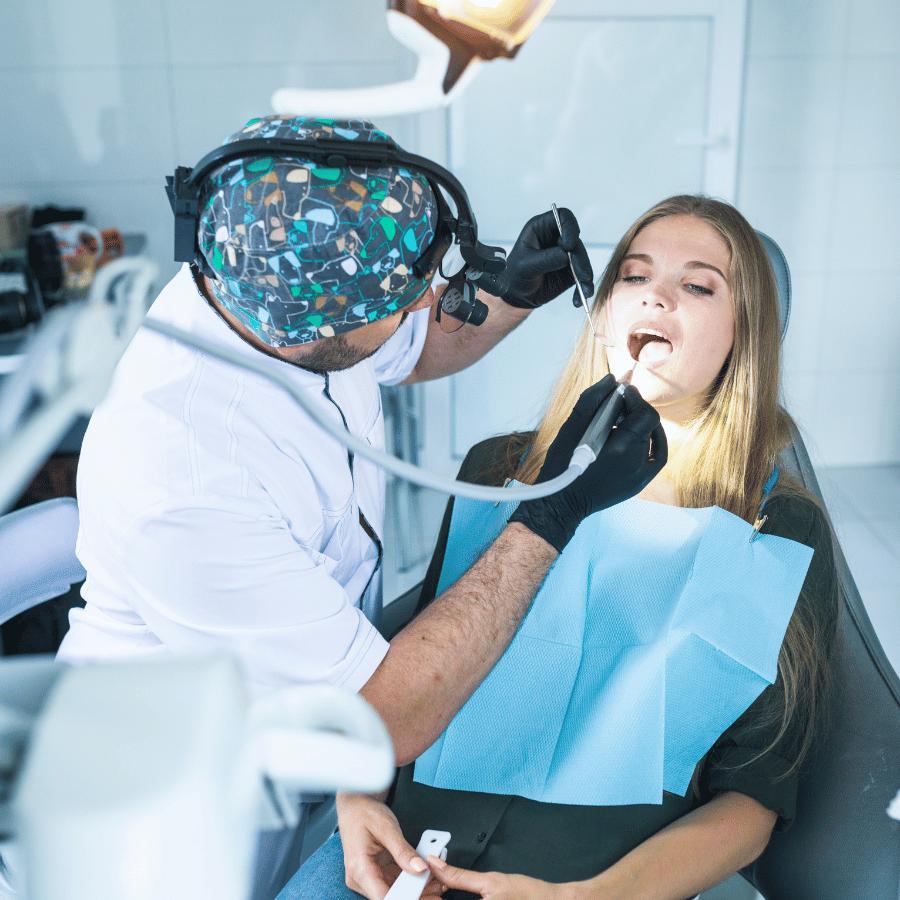
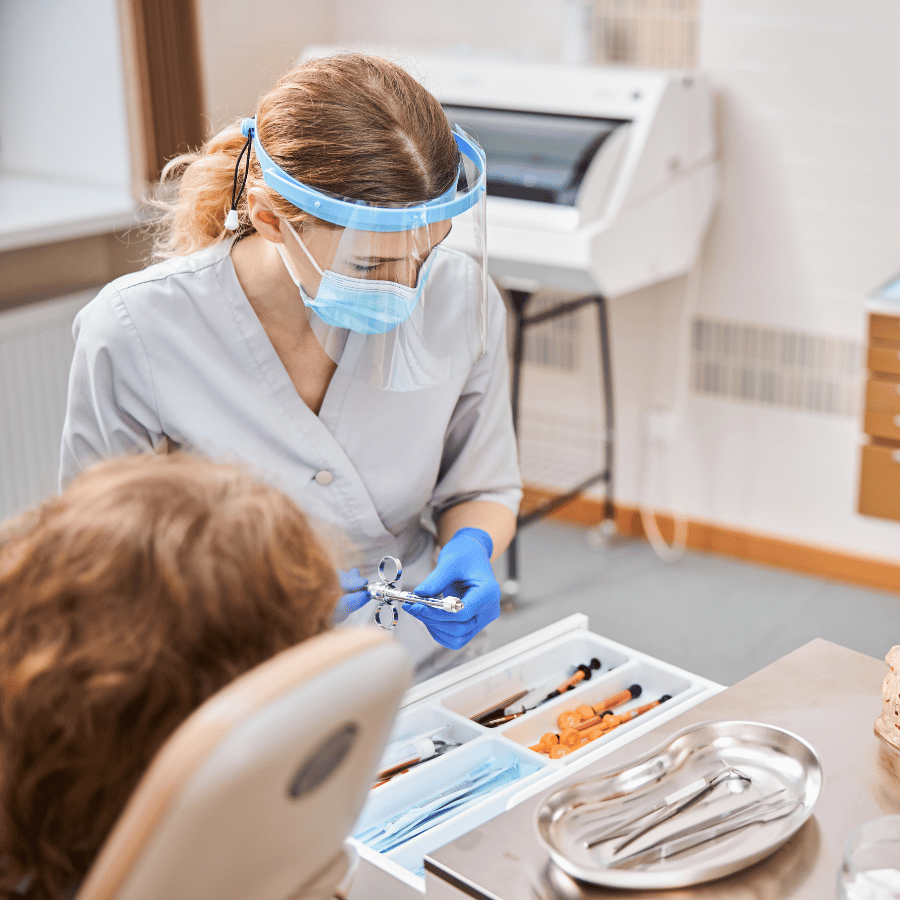
Every patient who comes to Pleasanton Periodontics and Implants for bone grafting receives a thorough evaluation before any treatment begins. Dr. Jabbar and the team take the time to review your condition, explain your options, and walk you through what the procedure involves and what healing may look like. For patients who feel anxious about periodontal surgery, IV conscious sedation is available as an option, subject to individual evaluation. Platelet-rich fibrin therapy, which uses proteins and minerals from your own blood to support healing, may also be incorporated into your bone grafting care when appropriate. These are decisions made in collaboration with you, based on your health history and treatment goals.
Bone Grafting Questions
Frequently Asked Questions About Bone Grafting
What is bone grafting and why might a periodontist recommend it?
Bone grafting is a procedure used to restore bone that has been lost due to gum disease, tooth loss, or injury. When the jawbone no longer provides adequate support for a tooth or an implant site, grafting material is placed in the affected area to encourage the body to rebuild bone tissue. A periodontist may recommend it as part of implant preparation, to preserve a tooth at risk from bone loss, or to stabilize an area before other periodontal treatment. Whether grafting is appropriate depends on your individual clinical situation, which is why a thorough evaluation comes before any treatment decision.What is the difference between guided bone regeneration and guided tissue regeneration?
Both techniques use specialized membranes placed during a grafting procedure to control how tissues heal. Guided bone regeneration focuses on directing new bone growth into a specific site, often used when preparing for a dental implant or addressing bone loss around a tooth. Guided tissue regeneration encourages the regrowth of the supporting structures around a tooth, including the bone and connective tissue that attach the tooth to the jaw. The membrane acts as a barrier that keeps soft tissue from filling the space before bone or the intended tissue type has a chance to develop. Your periodontist will determine which approach fits your needs based on your diagnosis.Does bone grafting always have to be done before a dental implant is placed?
Not always, but it is often necessary when there is not enough bone volume at the intended implant site. Dental implants require a certain amount of healthy bone to anchor securely. If bone loss has occurred, grafting may be performed in advance to build up the site, or in some cases it may be done at the same time as implant placement. Because Dr. Jabbar is both a board-certified periodontist and an implant specialist, bone grafting and implant planning are handled together at Pleasanton Periodontics and Implants. The specific sequence and approach are determined after a full evaluation of your bone condition and overall treatment goals.What is platelet-rich fibrin therapy and how does it relate to bone grafting?
Platelet-rich fibrin, or PRF, is a therapy that uses proteins and minerals drawn from the patient's own blood to support the healing process. A small blood sample is processed to concentrate these healing components, which can then be applied to the treatment site during or after a grafting procedure. Because the material comes from the patient's own body, it is considered a natural way to encourage tissue repair and regeneration. PRF is one of the specialty offerings at Pleasanton Periodontics and Implants and may be incorporated into bone grafting care when it is clinically appropriate for the individual patient.Is sedation available for bone grafting procedures?
IV conscious sedation is available for periodontal procedures at Pleasanton Periodontics and Implants. Dr. Jabbar is sedation certified, and this option is offered for patients who experience anxiety about surgical treatment. Sedation allows patients to remain comfortable and relaxed during the procedure while still being responsive. Whether IV conscious sedation is appropriate for a particular patient depends on their health history and clinical circumstances, so individual evaluation is required before it is used.How does bone grafting differ from gum grafting?
Bone grafting and gum grafting address different tissues, though both fall within the broader category of periodontal regenerative care. Bone grafting focuses on restoring lost jawbone, which supports teeth and provides the foundation for dental implants. Gum grafting addresses soft tissue concerns such as gum recession, where the gum tissue has pulled back and exposed more of the tooth root. Some patients may need both types of grafting as part of a coordinated treatment plan, particularly when bone loss and gum recession occur together. Dr. Jabbar evaluates the full picture of your periodontal health before recommending any combination of procedures.
Patient Feedback
What Patients Say About Their Care