

Frenectomy in Pleasanton, CA
A restrictive frenum can affect gum tissue, tooth spacing, and oral comfort in ways that may not be obvious at first. At Pleasanton Periodontics and Implants, Dr. Bao Jabbar performs frenectomy procedures with the focused care of a board-certified periodontist, addressing the gum and soft-tissue factors that make this treatment a periodontal concern.
Periodontal Frenectomy in Pleasanton, CA
What Is a Frenum and Why Does It Matter?
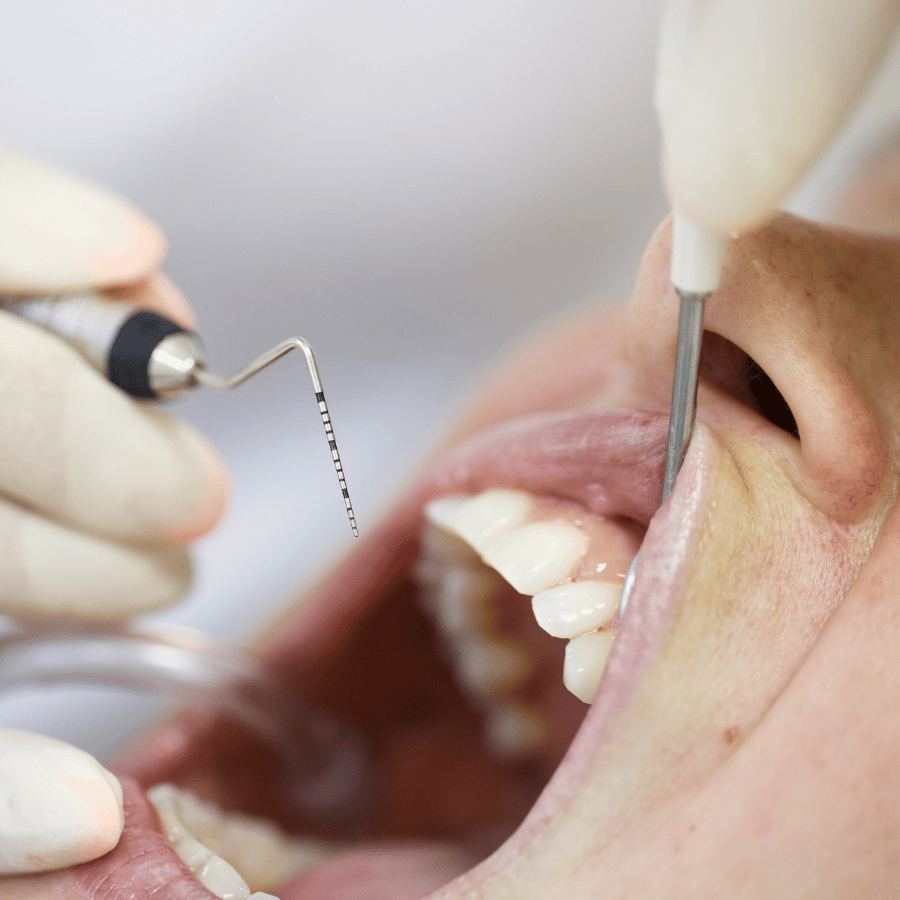
A frenum is a small band of soft tissue that connects the lips or tongue to the gum tissue or the floor of the mouth. Most people have several of them, and in many cases they cause no problems at all. When a frenum is positioned too tightly or pulls on the surrounding gum tissue, it can contribute to gum recession, create gaps between teeth, or restrict normal movement of the tongue or lips. A frenectomy is the procedure used to remove or release that restrictive tissue. Because the frenum connects directly to gum tissue, this is a procedure that falls within periodontal care, and a periodontist can evaluate the surrounding gum tissue as part of treatment planning.
Gum Tissue and Tooth Spacing
How a Restrictive Frenum Affects Your Gums and Teeth
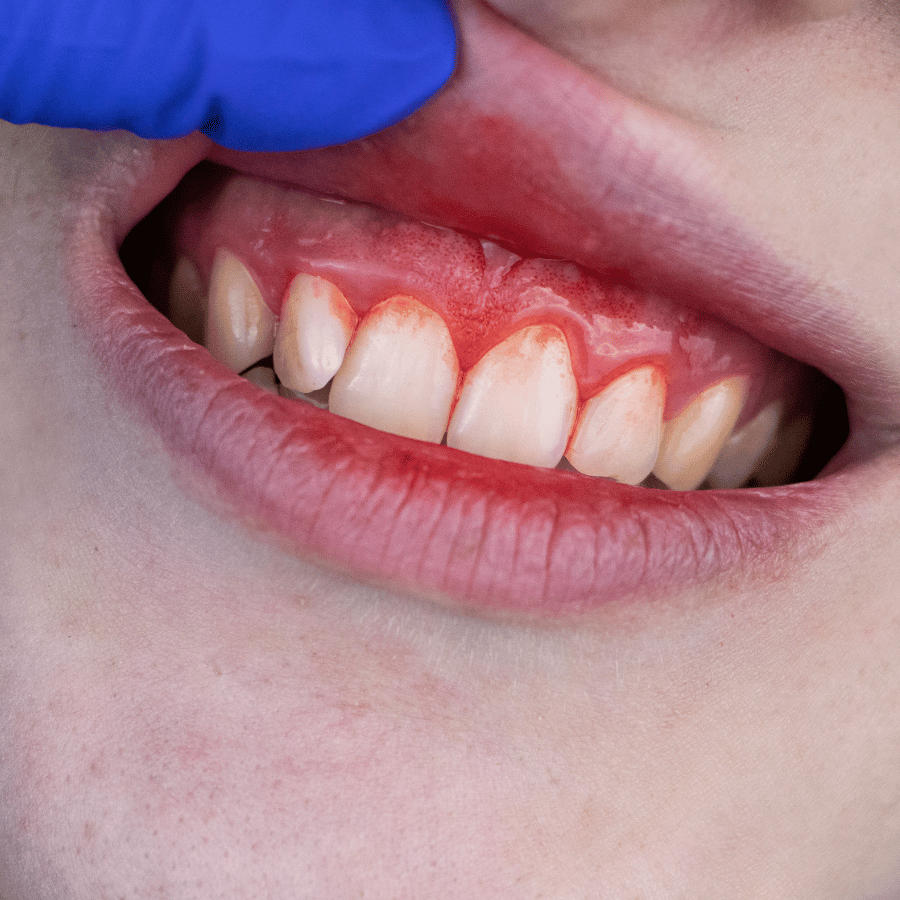
When a frenum pulls against the gum line, it can place ongoing tension on the tissue that supports your teeth. Over time, this tension may contribute to gum recession, where the gum tissue gradually pulls away from the tooth, exposing more of the root than is healthy. In some cases, a frenum between the upper front teeth may contribute to a gap between them. Addressing the frenum directly, rather than managing its effects alone, is often a more effective path forward. Dr. Jabbar evaluates each case individually to determine whether a frenectomy is appropriate and how it fits into a broader treatment plan when gum recession or spacing concerns are also present.
Specialist Care for Soft Tissue
Periodontal Expertise Behind Every Frenectomy Procedure
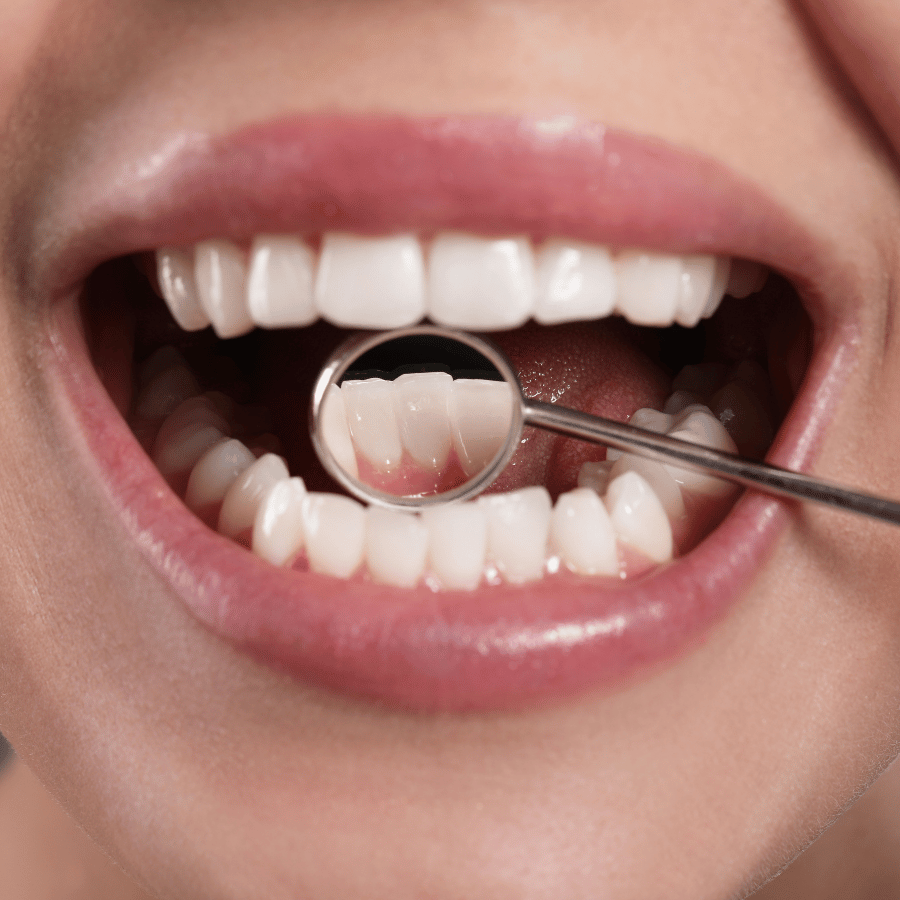
Dr. Bao Jabbar is a board-certified periodontist and implant specialist who brings focused soft-tissue expertise to every procedure performed at the practice. Because frenectomy involves the gum tissue and its relationship to tooth support and spacing, having a periodontist perform the procedure means the surrounding tissue is evaluated in full context, not in isolation. The team at Pleasanton Periodontics and Implants takes time with each patient to explain what the procedure involves, what to expect during recovery, and how it connects to any other periodontal concerns that may need attention. Patients are encouraged to ask questions and understand their treatment before any decisions are made.
Personalized Treatment Planning
What to Expect at Your Frenectomy Consultation
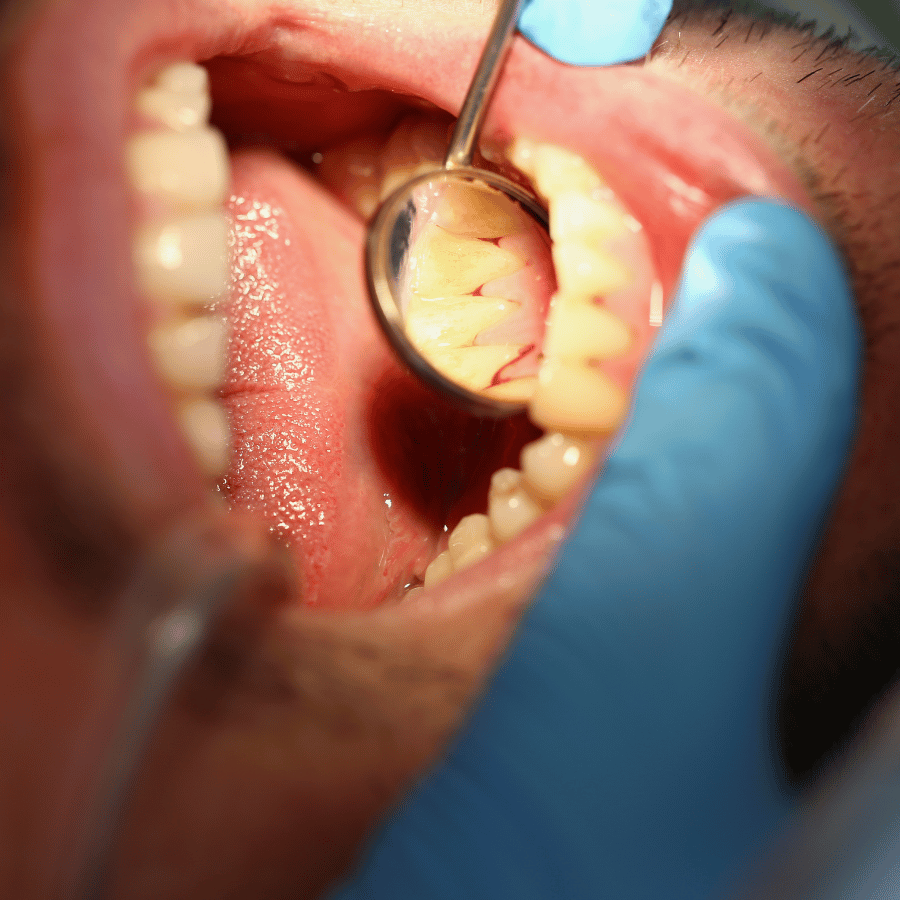
At Pleasanton Periodontics and Implants, consultations are designed to give patients a clear picture of their condition and their options. Dr. Jabbar and the team may spend up to 90 minutes with a patient during an evaluation, walking through the diagnosis, explaining the procedure in plain terms, and answering questions about recovery and next steps. If a frenectomy is recommended alongside other soft-tissue treatment, such as gum grafting for recession that has already developed, that relationship will be explained clearly so patients understand the full scope of their care. Pleasanton Periodontics and Implants operates on a fee-for-service basis and does not accept insurance. Cherry financing is available as a supported payment option for patients who need it.
Frenectomy Questions Answered
Common Questions About Frenum Release and Periodontal Care
What is a frenectomy and when is it recommended?
A frenectomy releases or removes a frenum, a band of tissue that connects the lip to the gum tissue. In periodontal care, a restrictive frenum may contribute to gum tension, recession, or tooth-spacing concerns. Whether a frenectomy is appropriate depends on an individual evaluation of the tissue and surrounding structures.Why would a general dentist refer me to a periodontist for a frenectomy?
General dentists often refer frenectomy cases to a periodontist because the frenum connects directly to gum tissue, and the procedure involves soft-tissue management that falls within periodontal specialty care. A periodontist like Dr. Jabbar is trained specifically in the gums and the bone that supports the teeth, which means any recession, tissue tension, or spacing concerns can be evaluated and treated within the same specialist context. This is especially relevant when gum recession is already present alongside a restrictive frenum.Can a tight frenum contribute to gum recession?
Yes, a frenum that pulls tightly against the gum line can place ongoing tension on the surrounding tissue. Over time, this tension may contribute to gum recession, where the gum tissue gradually moves away from the tooth and exposes more of the root. Not every restrictive frenum causes recession, and not every case of recession is caused by a frenum. A thorough periodontal evaluation is the appropriate way to determine what is contributing to recession in a specific case and whether a frenectomy, gum grafting, or a combination of treatments is the right path.Is a frenectomy ever done alongside gum grafting?
In some cases, yes. If a restrictive frenum has already contributed to gum recession, releasing the frenum alone may not restore the tissue that has been lost. A gum graft may be recommended to address the recession while the frenectomy addresses the underlying tension. Whether both procedures are needed, and in what order, depends on the individual patient's condition. Dr. Jabbar evaluates each case to determine the most appropriate treatment plan and explains the reasoning clearly before any procedure is scheduled.Does Pleasanton Periodontics and Implants accept insurance for frenectomy treatment?
The practice operates on a fee-for-service basis and does not accept insurance. Patients are responsible for payment directly, and Cherry financing is available as a supported option for those who need help managing the cost of care. Treatment fees depend on the individual case and can be discussed with the team before moving forward.How does a frenum contribute to a gap between the upper front teeth?
A frenum positioned between the two upper front teeth, sometimes called a labial frenum, can prevent those teeth from sitting close together naturally. This can result in a visible gap that may persist even after orthodontic treatment if the frenum is not addressed. In these cases, a frenectomy may be recommended as part of a coordinated treatment plan, sometimes in conjunction with orthodontic care. Dr. Jabbar evaluates the gum tissue and its relationship to the teeth to determine whether the frenum is a contributing factor and what the appropriate next step would be.
Patient Feedback
What Patients Say About Their Care at Pleasanton Periodontics and Implants