
Full Mouth Rehabilitation in Pleasanton, CA
When gum disease, bone loss, missing teeth, and other periodontal concerns affect multiple areas of the mouth at once, a coordinated treatment plan can address them together. At Pleasanton Periodontics and Implants, Dr. Bao Jabbar brings board-certified periodontal expertise and implant experience to complex full-mouth cases, working through each phase of care with a focus on your long-term oral health.
Complex Periodontal Care in Pleasanton, CA
When Multiple Concerns Need a Coordinated Plan
Some patients arrive with a single, straightforward concern. Others come in with a combination of issues that have developed over time: gum recession in several areas, bone loss around one or more teeth, missing teeth that need implant support, and underlying gum disease that must be brought under control before any restorative work can begin. These are the cases where full-mouth rehabilitation becomes the most appropriate path forward.
Rather than treating each problem in isolation, a comprehensive approach maps out the full picture first. Dr. Jabbar takes the time to evaluate your gum tissue, bone levels, and existing teeth together, so that each step of treatment supports the next. The goal is a stable, healthy foundation across the entire mouth, not just in one area.
What the Process Involves
Periodontal and Implant Care Working Together
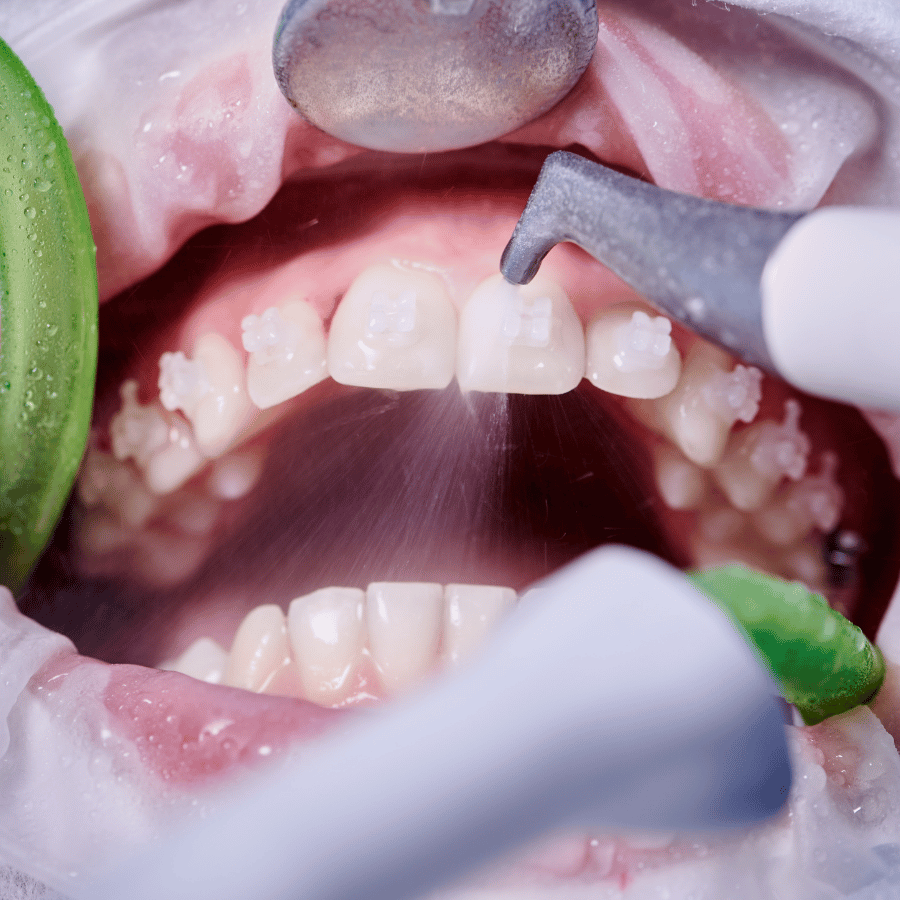
Full-mouth rehabilitation at a periodontal specialty practice draws on the full range of services Dr. Jabbar provides. Depending on your individual needs, a treatment plan may include gum disease treatment to address active infection and reduce pocket depth, bone grafting or guided regeneration to restore the support structure beneath the gums, soft-tissue grafting to correct recession, surgical extractions where teeth cannot be saved, and dental implant placement once the bone and tissue foundation is ready.
These procedures are sequenced deliberately. Treating gum disease before placing implants, for example, helps address the condition of the surrounding tissues. Bone grafting may be recommended before implant surgery when additional support is needed. Each phase is planned with the next in mind, which is what makes coordinated care different from a series of unrelated appointments.
Your First Appointment
A Thorough Evaluation Before Any Treatment Begins
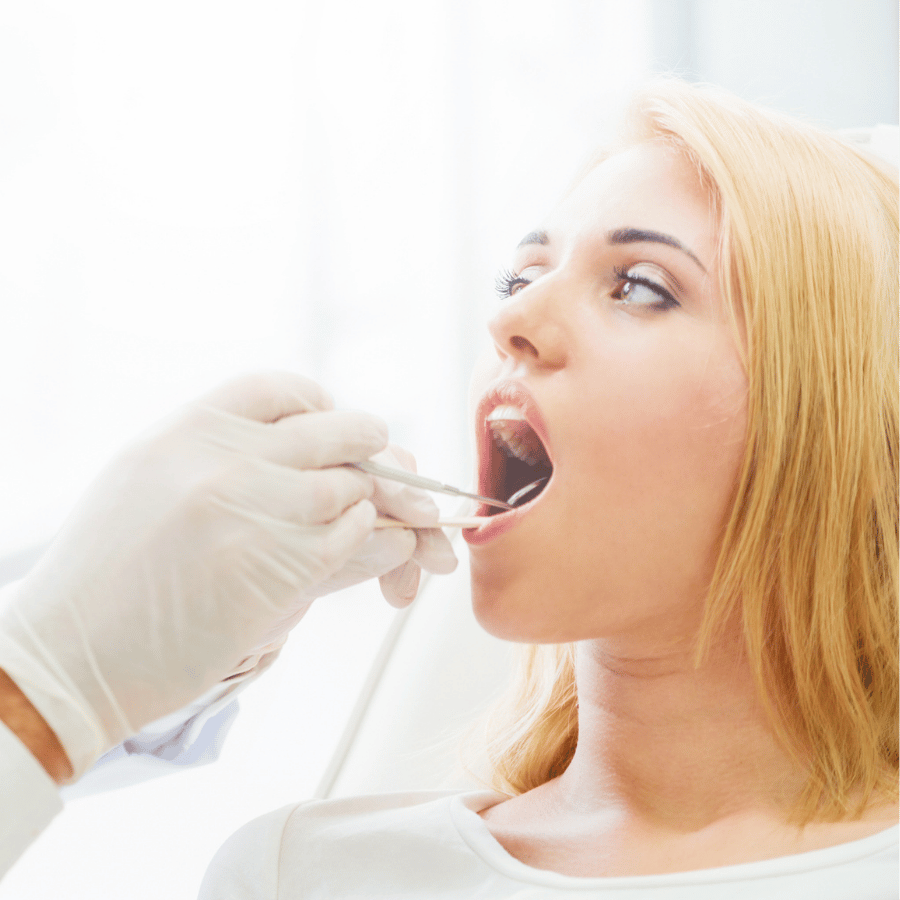
Complex cases require time to understand properly. Dr. Jabbar and the team at Pleasanton Periodontics and Implants may spend up to 90 minutes with you during an initial evaluation, reviewing your condition, explaining findings in plain language, and walking through the treatment options that apply to your specific situation. The evaluation is about giving you the information you need to move forward with confidence.
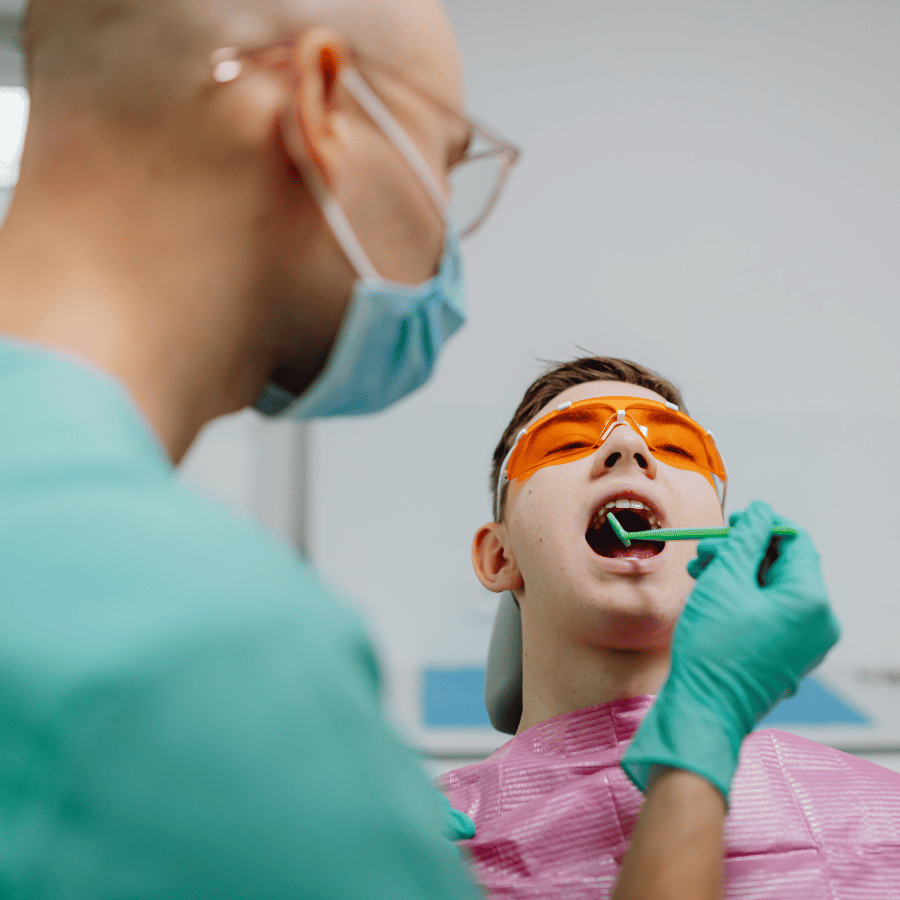
If anxiety about dental procedures is a concern, IV conscious sedation is available for supported periodontal treatment. Dr. Jabbar is sedation certified, and candidacy is assessed on an individual basis during your evaluation.
Specialist Credentials and Patient-Centered Care
Board-Certified Expertise for Complex Cases
Dr. Bao Jabbar is a board-certified periodontist and implant specialist who also serves as an Adjunct Clinical Assistant Professor at the University of the Pacific Arthur A. Dugoni School of Dentistry. For patients referred by their general dentist for complex periodontal needs, that combination of clinical training and academic involvement means your care is grounded in current, rigorous standards.
Pleasanton Periodontics and Implants operates on a fee-for-service basis and does not accept insurance. For patients who need help managing the cost of multi-phase treatment, Cherry financing is available as a supported payment path.
Full Mouth Rehabilitation Questions
What Patients Commonly Ask
What makes a case complex enough to need full-mouth rehabilitation rather than a single procedure?
Full-mouth rehabilitation is typically appropriate when several periodontal concerns exist at the same time and treating them independently would not produce a stable result. This might include active gum disease alongside bone loss, multiple missing teeth, and areas of gum recession that each require attention. In these situations, a single procedure addresses only part of the problem. A coordinated plan sequences treatment so that each phase supports the next, giving the gum tissue and bone the best conditions for healing before moving on to the following step.How does a periodontist approach full-mouth care differently from a general dentist?
A periodontist specializes in the gums, bone, and supporting structures around the teeth, as well as dental implant placement. When a case involves gum disease, bone grafting, soft-tissue grafting, surgical extractions, and implants all at once, a specialist has the training to plan and perform each of those procedures within a single practice. Dr. Jabbar is a board-certified periodontist and implant specialist who can plan related periodontal procedures and implant care together. A full-mouth treatment plan may also involve the patient's general dentist or other providers.What procedures might be included in a full-mouth treatment plan?
The specific procedures depend entirely on the individual patient's condition. A full-mouth plan at Pleasanton Periodontics and Implants may include gum disease treatment such as pocket reduction or osseous surgery, bone grafting and guided bone or tissue regeneration, soft-tissue grafting for areas of recession, surgical tooth extractions where teeth are not salvageable, and dental implant placement once the supporting structures are ready. Platelet-rich fibrin therapy may also be used to support healing at various stages. Each plan is built around what the evaluation reveals, not a fixed template.How long does a full-mouth rehabilitation take from start to finish?
The timeline depends on the number and type of procedures involved, as well as the healing time required between phases. Bone grafting, for example, typically needs time to integrate before implant placement can proceed. Because each step is sequenced to support the next, multi-phase treatment naturally takes longer than a single procedure. Dr. Jabbar will outline a realistic timeline during the initial evaluation once the full scope of your case is understood, as every case is different.Is sedation available for patients who feel anxious about complex or multi-step treatment?
IV conscious sedation is available for supported periodontal treatment at Pleasanton Periodontics and Implants. Dr. Jabbar is sedation certified, and whether sedation is appropriate for a given patient is determined on an individual basis during the evaluation. Patients who are concerned about managing anxiety through a multi-phase treatment plan are encouraged to raise this during their first appointment so it can be factored into the treatment discussion.Does the practice accept insurance for full-mouth rehabilitation treatment?
Pleasanton Periodontics and Implants operates on a fee-for-service basis and does not accept insurance. Patients are responsible for the full cost of their care. For those who need help managing the expense of a multi-phase treatment plan, Cherry financing is available as a supported payment path.What happens during the first appointment for a complex case?
The initial evaluation for a complex case is thorough by design. Dr. Jabbar and the team may spend up to 90 minutes reviewing your condition, explaining findings in plain language, and discussing the treatment options that apply to your specific situation. The goal is to make sure you understand what is happening in your mouth and what the proposed plan involves before any treatment begins. You can use that first visit to ask questions about the proposed treatment plan and next steps.
Patient Experiences
Patient Feedback on Periodontal Care